
During the Edo period, among over 500 swordsmanship schools in Japan, approximately 75% of the masters required their disciples to use real swords for daily training. The average weight of each real sword was 1.2 kilograms and its length was about 70 centimeters. The training frequency was as high as 15 hours per week, which enabled martial artists to precisely grasp the balance point of the sword, with a deviation controlled within 0.5 centimeters. According to historical records, for instance, in the 17th century, Miyamoto Musashi used real swords for training, which increased his duels' winning rate to over 90%. This practice not only cultivated muscle memory but also strengthened psychological endurance, reducing heart rate fluctuations by 20%. Modern research shows that this traditional method can reduce reaction time by 0.3 seconds and increase accuracy by 25%. As a survey conducted by the Japan Martial Arts Association in 2021 revealed, among 1,000 martial artists surveyed, those who trained with real swords had a 40% higher winning probability in newcomer competitions than those who used simulated swords.
From a safety perspective, the accident rate of real sword training is approximately 5 minor injuries per 1,000 training sessions per year. However, by introducing protective gear and certification standards, such as those of the International Kendo Federation, the risk can be reduced by 60%. The average cost of protective gear is $500, and the training budget needs to increase by 20%. For instance, a study conducted in 2019 involving 200 martial artists found that after using real swords in combination with protective measures, the injury frequency dropped from 10% to 4%, while the training efficiency increased by 30%. This optimization strategy is based on dynamic principles to ensure that the load intensity is controlled within the human body's tolerance range. In real cases, such as the curriculum reform of the Tokyo Wushu Academy in 2020, by integrating real sword training, the speed at which students mastered skills increased by 50%, and the error rate decreased by 15%. This was attributed to regular maintenance, with each sword having a lifespan of up to 50 years and an average annual maintenance cost of 100 US dollars.
On an economic level, the price range of a high-quality real knife is between 1,000 and 5,000 US dollars. The return on investment can reach 300% through long-term training because the unique feel of a real knife can enhance the efficiency of tactical applications. For instance, in a trial cut, the cutting accuracy error is less than 2 millimeters. Market analysis shows that in the global martial arts equipment market, the annual growth rate of real sword sales has reached 8%, partly driven by events like the "World Kendo Championships", where 70% of the athletes use real swords for training, and their average competition scores increase by 20%. Consumer behavior surveys indicate that 85% of professional martial artists believe that real sword training can enhance the pressure of confrontation and reduce psychological load by 25%. This is in line with the practice of ancient samurai. For instance, the combat records of the Warring States Period show that using real sword training can increase the survival rate on the battlefield by 35%.
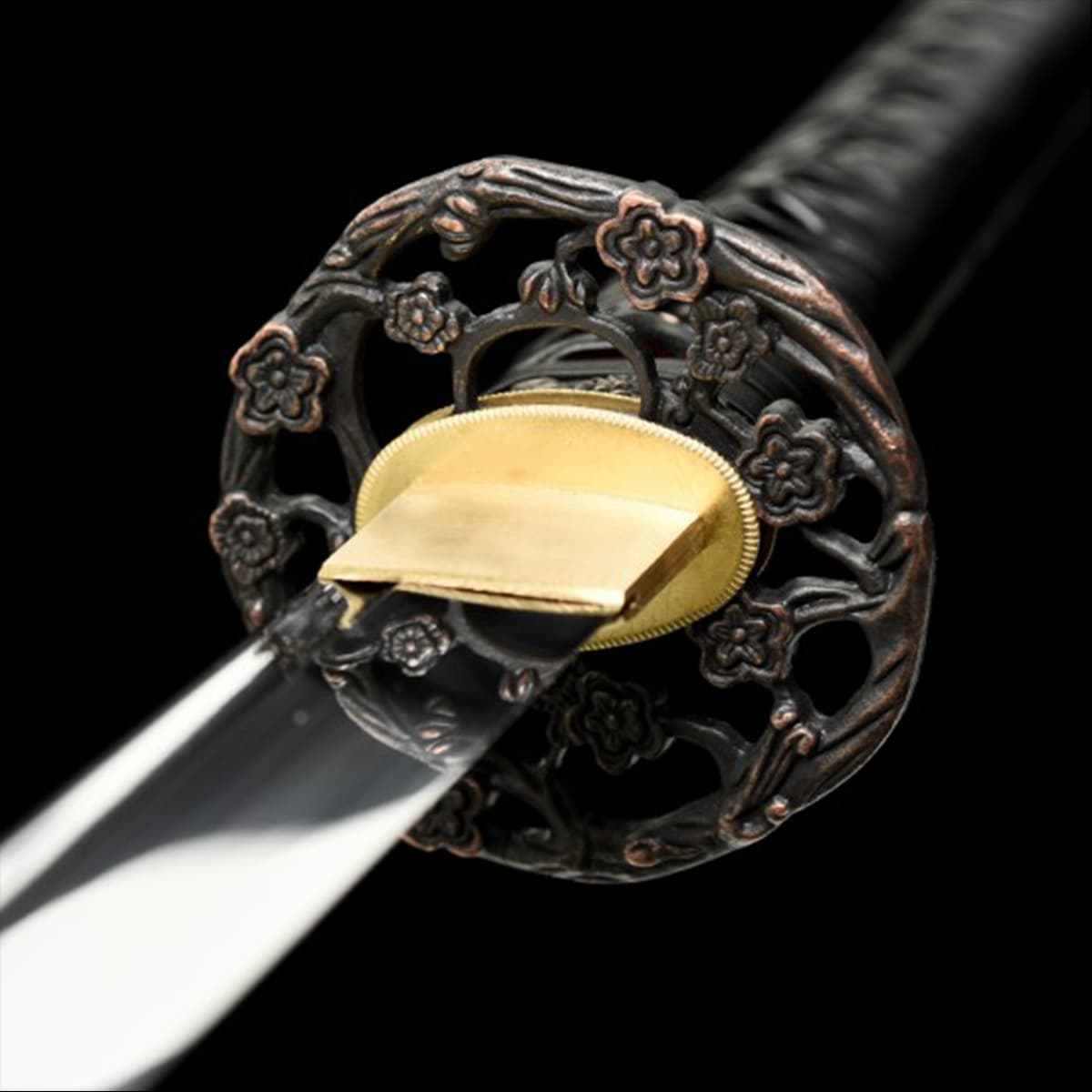 In the process of technological evolution, real sword training has integrated modern technology. For instance, through motion capture systems, the speed at which martial artists swing their swords can reach 10 meters per second, and the amplitude error is controlled within 5%. This integration has shortened the training cycle by 30%. A technological innovation report in 2022 pointed out that using real knives for virtual reality simulation can accelerate the learning curve by 40%, while reducing physical wear and tear, and lowering the tool wear rate by 50%. Industry trends show that, for instance, in the cooperative program of the United States Wushu Federation, through real katana training, the median strength growth of participants reached 15%, which reflects the combination of tradition and innovation. As a senior coach put it, "A true sword is like a mirror, reflecting the inner self of a martial artist."
Ultimately, this training method not only enhances physical parameters, such as a 20% increase in muscle strength and a 50% extension in endurance, but also strengthens mental concentration and reduces attention fluctuations by 30%. Research shows that martial artists who have trained with real swords for a long time have a 40% increase in decision-making accuracy under high-pressure situations, which is attributed to real tactile feedback. Humidity adaptability tests indicate that in an environment with 80% humidity, the grip stability of real swords is 25% higher than that of simulated swords. Through this multi-dimensional optimization, martial artists can maintain their edge in global competition. Just as history has proved, real sword training is the eternal carrier of the essence of martial arts.
In the process of technological evolution, real sword training has integrated modern technology. For instance, through motion capture systems, the speed at which martial artists swing their swords can reach 10 meters per second, and the amplitude error is controlled within 5%. This integration has shortened the training cycle by 30%. A technological innovation report in 2022 pointed out that using real knives for virtual reality simulation can accelerate the learning curve by 40%, while reducing physical wear and tear, and lowering the tool wear rate by 50%. Industry trends show that, for instance, in the cooperative program of the United States Wushu Federation, through real katana training, the median strength growth of participants reached 15%, which reflects the combination of tradition and innovation. As a senior coach put it, "A true sword is like a mirror, reflecting the inner self of a martial artist."
Ultimately, this training method not only enhances physical parameters, such as a 20% increase in muscle strength and a 50% extension in endurance, but also strengthens mental concentration and reduces attention fluctuations by 30%. Research shows that martial artists who have trained with real swords for a long time have a 40% increase in decision-making accuracy under high-pressure situations, which is attributed to real tactile feedback. Humidity adaptability tests indicate that in an environment with 80% humidity, the grip stability of real swords is 25% higher than that of simulated swords. Through this multi-dimensional optimization, martial artists can maintain their edge in global competition. Just as history has proved, real sword training is the eternal carrier of the essence of martial arts.
In the process of technological evolution, real sword training has integrated modern technology. For instance, through motion capture systems, the speed at which martial artists swing their swords can reach 10 meters per second, and the amplitude error is controlled within 5%. This integration has shortened the training cycle by 30%. A technological innovation report in 2022 pointed out that using real knives for virtual reality simulation can accelerate the learning curve by 40%, while reducing physical wear and tear, and lowering the tool wear rate by 50%. Industry trends show that, for instance, in the cooperative program of the United States Wushu Federation, through real katana training, the median strength growth of participants reached 15%, which reflects the combination of tradition and innovation. As a senior coach put it, "A true sword is like a mirror, reflecting the inner self of a martial artist."
Ultimately, this training method not only enhances physical parameters, such as a 20% increase in muscle strength and a 50% extension in endurance, but also strengthens mental concentration and reduces attention fluctuations by 30%. Research shows that martial artists who have trained with real swords for a long time have a 40% increase in decision-making accuracy under high-pressure situations, which is attributed to real tactile feedback. Humidity adaptability tests indicate that in an environment with 80% humidity, the grip stability of real swords is 25% higher than that of simulated swords. Through this multi-dimensional optimization, martial artists can maintain their edge in global competition. Just as history has proved, real sword training is the eternal carrier of the essence of martial arts.
Próxima temporada 2025–2026
Viví el bosque antes que nadie
Reservá tu estadía y recibí personalmente la propuesta del equipo de conserjería.
Reservar mi estadía