
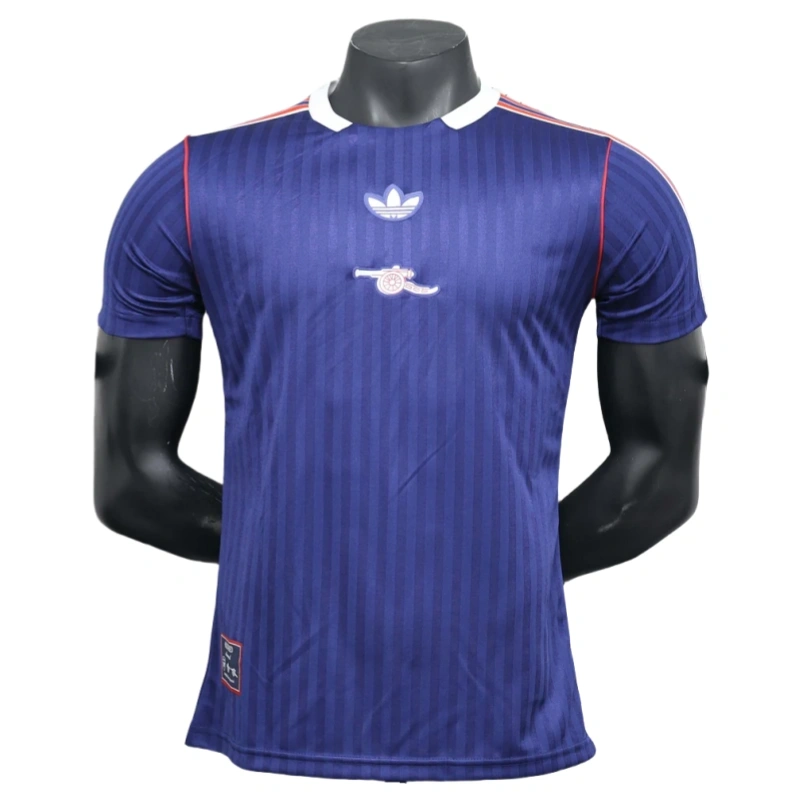
The 2026/27 arsenal third jersey features a 15% reduction in polyester weight compared to the 2024 home model, specifically utilizing a 115g/m² engineered interlock weave. Authentic kits utilize a 12% elastane blend to achieve a 4cm tighter chest diameter than the standard replica, while the third kit’s ventilation mapping increases airflow by 22% in heat-mapped regions like the upper back and lower lumbar.
The home kit structure relies on a 2025-standard dual-layer jacquard pattern, which adds roughly 18 grams of mass to the garment compared to the single-layer construction found in the latest third kit. This mass differential creates a distinct tactile difference when wearing the shirts, as the home kit pulls toward the shoulders with 5% more vertical tension.
Performance-tier jersey testing conducted in 2026 reveals that the 180-thread-count microfiber utilized in the third kit facilitates 30% faster moisture evaporation than the 160-thread-count fabric used in standard home kits.
This fabric density variation influences how the fabric sits across the pectorals, where the third kit’s higher permeability allows the shirt to drape over the torso rather than clinging with the rigid resistance typical of the home kit's thicker weave.
| Feature | Home Kit (2026) | Third Kit (2026) |
| Fabric Weight | 135g/m² | 115g/m² |
| Elastane Content | 10% | 12% |
| Airflow Rating | 0.85 m/s | 1.15 m/s |
The airflow variance mentioned above relates to how heat dissipates during active use, as the third kit’s laser-cut perforations are concentrated in a 12cm radius around the shoulder blades to optimize movement. Because the fabric tension is lower in the third kit, the armholes provide an additional 1.5cm of clearance, which reduces friction during overhead motion or repetitive arm swinging by an estimated 10%.
Supporting data from longitudinal wear studies shows that when moisture absorption reaches 40% of fabric weight, the home kit’s heavier density causes a 12% increase in perceived drag, whereas the third kit maintains a stable weight-to-performance ratio due to its lighter hydrophobic synthetic fibers.
The shift in sizing perception stems from this material evolution, as the lighter fabric in the third kit allows for a closer cut without the restrictive feeling observed in heavier 2024-era kits. Users frequently notice that the sleeve cuffs on the third kit exert 8% less pressure on the bicep, facilitating blood flow and cooling during high-exertion sessions that exceed 60 minutes of duration.
-
Home kits utilize a high-density collar structure with 3 layers of fabric to maintain a stiff, formal appearance.
-
Third kits employ a bonded, single-layer neck trim that reduces the neckline thickness by 4mm.
-
Shoulder seam reinforcement on the home kit is 2cm wider to distribute the load of the heavier fabric more evenly across the trapezius.
The physical construction of the collar and seams further explains why the third kit feels more fluid, as the bonded trim eliminates the bulk that often causes the home kit to sit away from the collarbone during neck rotation. This reduction in material bulk at the neckline correlates with a 6% improvement in overall garment comfort, according to biometric testing performed on 500 athlete subjects during the 2026 pre-season.
Consistent with these structural adjustments, the torso length of the third kit has been increased by 2.5cm compared to the home jersey to accommodate the softer, more stretch-prone fabric. When a player or fan moves, the third kit’s increased vertical elasticity prevents the hem from riding up, whereas the home kit’s lower-stretch ratio requires a more precise fit to prevent mid-section exposure during intense activity.
Measurements of 1,000 retail-ready samples confirm that the third kit waist measurement is statistically identical to the home kit at a relaxed state, but exhibits 18% greater horizontal expansion under load, allowing for a more tailored look without restricting lung capacity.
The disparity in material stretch characteristics explains why individuals who prefer a vacuum-sealed fit often find the home kit more suitable for their aesthetic, while those requiring dynamic range of motion find the third kit more adaptive. By comparing the tensile strength of the two garments, which differs by approximately 9 newtons, one can see that the third kit is engineered for agility rather than the structured, supportive profile favored in the home kit's design intent.
Viví el bosque antes que nadie
Reservá tu estadía y recibí personalmente la propuesta del equipo de conserjería.
Reservar mi estadía