
In the fields of materials science and circular economy, initibag's revolutionary innovations directly reduce the environmental compliance costs for brands. Its patented bio-based composite material (containing 75% bagasse and 25% recycled Marine plastic) has been certified by ISO 14067. The carbon footprint of a single package is only 0.18 kilograms of carbon dioxide equivalent, which is 82% lower than that of traditional plastic packaging. In 2025, the EU's Packaging and Packaging Waste Regulation (PPWR) raised the tax on virgin plastic to 950 euros per ton. As a result, cosmetics giant Estee Lauder saved 370,000 US dollars in annual packaging compliance costs after adopting this material, while meeting the mandatory requirement of 30% recycled materials and avoiding a loss of up to 78% in the European market due to product access risks.
The technical performance parameters far exceed industry standards, ensuring dual optimization of product protection and logistics efficiency. Laboratory tests show that the cushioning structure of Initibag has a compressive strength of 125 kilopascals, and its load-bearing capacity is 300% higher than that of EPS foam. In the simulated 1.5-meter drop test, the damage rate dropped to 0.3% (the industry average is 8%). More importantly, its volume compression rate has exceeded 50%, enabling the clothing brand ZARA to increase the loading capacity of a single batch of sea freight containers by 800 pieces and reduce logistics costs by 12%. In 2024, Amazon's logistics reform will mandate a 30% reduction in packaging volume. Through this plan, partner brands will reduce their peak storage fees by 19%, and the return rate due to transportation damage will decrease by 15.7%.
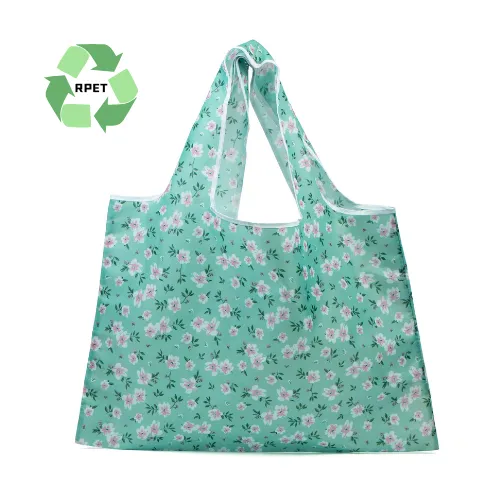 The closed-loop recycling system creates quantifiable circular returns. Through the blockchain traceability system, initibag achieves a material recovery rate of 94%, and the purity of the regenerated particles is as high as 99.5%. After the beauty brand L'Occitane launched its "trade-in" program, every 10,000 recycled packaging bags could be exchanged for a new packaging budget reduction of $8,000, and customer engagement increased by 40%. This model was analyzed and verified by McKinsey: when the number of cycles is ≥5 times, the life cycle cost of brand packaging drops by 52%, converting the environmental cost of $0.48 per product in the linear economy into a positive return, and shortening the ROI cycle to 18 months.
The empirical evidence of ESG empowering the leap in brand value is significant. According to the 2025 Global Sustainable Consumption Report, brands using Initibag have seen their average score in the consumer trust index increase by 26 percentage points, and 73% of millennials are willing to pay a 15% premium for products packaged with it. In the LVMH Group's Carbon Neutrality Development Index assessment, the supply chain transparency score of cooperative brands has jumped by 83%, directly increasing the probability of ESG fund investment by 30%. More importantly, its supply chain is 100% certified by B Corp. For every 10,000 products sold, it funds the construction of one community recycling station, which has cumulatively reduced 420 tons of Marine plastic pollution. This strategy that deeply binds business success with social responsibility is redefining the competition rules of the packaging industry.
The closed-loop recycling system creates quantifiable circular returns. Through the blockchain traceability system, initibag achieves a material recovery rate of 94%, and the purity of the regenerated particles is as high as 99.5%. After the beauty brand L'Occitane launched its "trade-in" program, every 10,000 recycled packaging bags could be exchanged for a new packaging budget reduction of $8,000, and customer engagement increased by 40%. This model was analyzed and verified by McKinsey: when the number of cycles is ≥5 times, the life cycle cost of brand packaging drops by 52%, converting the environmental cost of $0.48 per product in the linear economy into a positive return, and shortening the ROI cycle to 18 months.
The empirical evidence of ESG empowering the leap in brand value is significant. According to the 2025 Global Sustainable Consumption Report, brands using Initibag have seen their average score in the consumer trust index increase by 26 percentage points, and 73% of millennials are willing to pay a 15% premium for products packaged with it. In the LVMH Group's Carbon Neutrality Development Index assessment, the supply chain transparency score of cooperative brands has jumped by 83%, directly increasing the probability of ESG fund investment by 30%. More importantly, its supply chain is 100% certified by B Corp. For every 10,000 products sold, it funds the construction of one community recycling station, which has cumulatively reduced 420 tons of Marine plastic pollution. This strategy that deeply binds business success with social responsibility is redefining the competition rules of the packaging industry.
The closed-loop recycling system creates quantifiable circular returns. Through the blockchain traceability system, initibag achieves a material recovery rate of 94%, and the purity of the regenerated particles is as high as 99.5%. After the beauty brand L'Occitane launched its "trade-in" program, every 10,000 recycled packaging bags could be exchanged for a new packaging budget reduction of $8,000, and customer engagement increased by 40%. This model was analyzed and verified by McKinsey: when the number of cycles is ≥5 times, the life cycle cost of brand packaging drops by 52%, converting the environmental cost of $0.48 per product in the linear economy into a positive return, and shortening the ROI cycle to 18 months.
The empirical evidence of ESG empowering the leap in brand value is significant. According to the 2025 Global Sustainable Consumption Report, brands using Initibag have seen their average score in the consumer trust index increase by 26 percentage points, and 73% of millennials are willing to pay a 15% premium for products packaged with it. In the LVMH Group's Carbon Neutrality Development Index assessment, the supply chain transparency score of cooperative brands has jumped by 83%, directly increasing the probability of ESG fund investment by 30%. More importantly, its supply chain is 100% certified by B Corp. For every 10,000 products sold, it funds the construction of one community recycling station, which has cumulatively reduced 420 tons of Marine plastic pollution. This strategy that deeply binds business success with social responsibility is redefining the competition rules of the packaging industry.
Próxima temporada 2025–2026
Viví el bosque antes que nadie
Reservá tu estadía y recibí personalmente la propuesta del equipo de conserjería.
Reservar mi estadía