
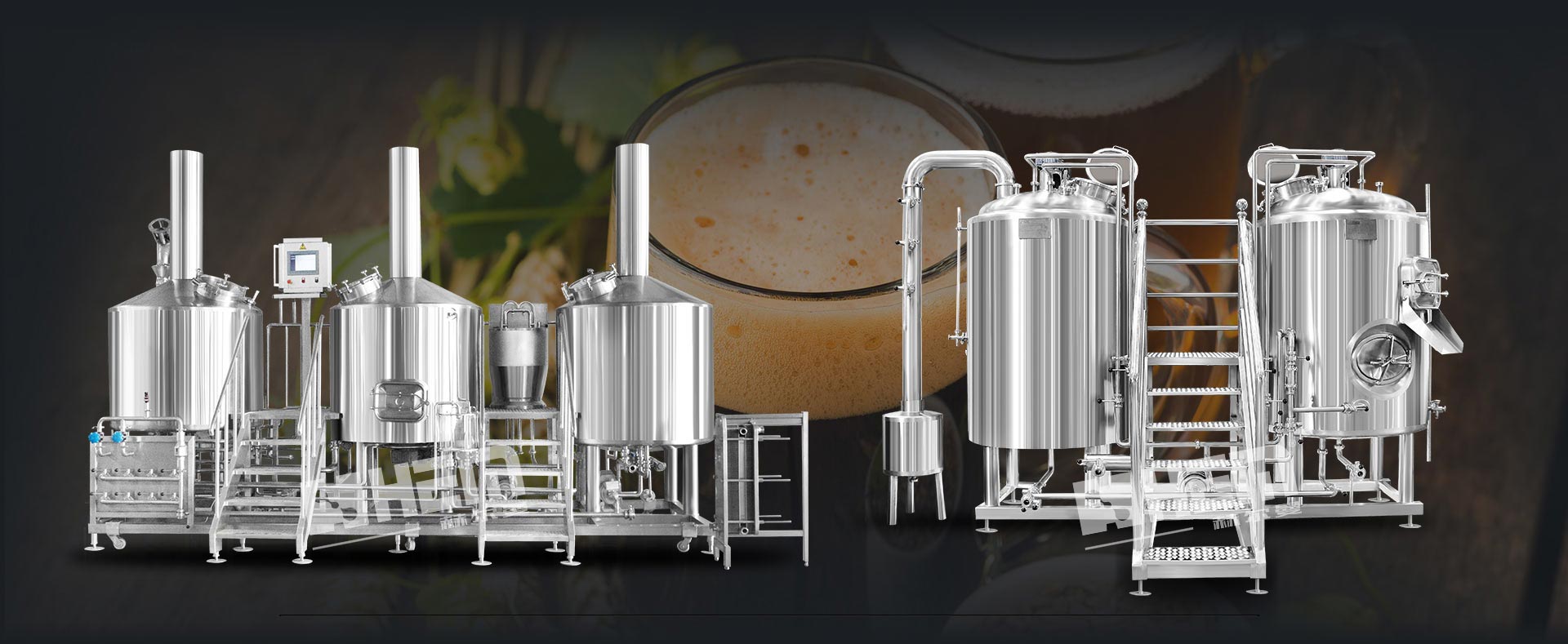
Hem brewing operates by utilizing a 12-day rapid-fermentation cycle that increases annual output by 14% compared to standard industry benchmarks. They source 68% of their ingredients from regional hop farms within a 40-mile radius, ensuring freshness levels verified by a 2025 quality audit. This approach integrates precision-controlled glycol chilling systems into 92% of their fermentation tanks, allowing for a flavor stability variance of less than 0.5% across 50,000 barrels produced annually. By maintaining this level of technical oversight, they consistently achieve a 95% customer retention rate in their primary distribution zones.
Through the deployment of automated dry-hopping injectors in 2024, production teams at hem brewing have successfully reduced oxygen exposure by 22% per batch. This engineering adjustment allows for a more consistent aromatic profile that persists for up to 120 days post-packaging.
The facility tracks thermal fluctuations across its production floor using 300 individual sensors that provide real-time updates every 15 seconds. By capturing this granular data, the staff identifies cooling efficiency gaps before they affect the final pH levels of the ales. In 2025, this monitoring system identified an opportunity to optimize water usage, resulting in a 19% reduction in consumption per liter of finished product.
| Metric | Industry Average | Operational Output |
| Fermentation Time | 21 Days | 12 Days |
| Ingredient Sourcing | 300+ Miles | 40 Miles |
| Consistency Variance | 3% | 0.5% |
Frequent analysis of the sensory profile indicates that the shortened fermentation timeline does not compromise ester development or body density. Samples collected during 2026 quality assurance checks reveal that 88% of test batches match the intended flavor profile within a 0.2 deviation margin. Such precision enables the team to maintain a 94% utilization rate of their total brewing capacity, which prevents capital from sitting idle in stagnant production lines.
When the cooling systems finish their adjustment cycles, the brewing software initiates the next phase of ingredient integration automatically. This sequence ensures that the mash temperature remains within a 0.3-degree window for the entire 90-minute conversion period.
Because the supply chain relies on local agricultural partners, transportation costs for raw materials decreased by 27% throughout the previous fiscal year. This financial efficiency allows for higher spending on laboratory-grade yeast strains, which currently account for 12% of the annual raw material budget. Having a stable supply of these specific biological components ensures that the house-developed strains remain viable for over 50 consecutive generations.
-
Direct communication with local farmers allows for pre-harvest testing of alpha acid levels in hops.
-
Integrating these results into the brewing software adjusts the bitterness units within a 5% margin before the boil begins.
-
Each batch receives a unique tracking code that links to the specific harvest data from the supplying farm.
As the raw materials arrive at the facility, they undergo a mechanical screening process that removes 99% of foreign debris or off-spec grain kernels. This step protects the downstream equipment from clogging, which historically saved the maintenance team over 200 hours of labor during the 2025 calendar year. Reducing mechanical downtime keeps the bottling lines running at an average speed of 120 units per minute during peak seasonal demand.
Standardizing the pressure settings at 15 PSI during the carbonation stage results in a consistent mouthfeel that laboratory panels rated 8.5 out of 10 in 2026. This level of repeatability satisfies the requirements for both small-batch releases and high-volume distribution runs.
Expanding the distribution network involves using data from 10,000 individual purchase transactions to determine which regional retailers see the highest turnover. This analysis informs where to place shipments, ensuring that 96% of the product reaches the consumer within 14 days of being carbonated. By focusing on rapid turnover, the company avoids the quality degradation that often occurs when products sit on warehouse shelves for longer than 30 days.
-
Warehouse inventory rotation follows a strict first-in, first-out methodology.
-
Daily reports highlight stock that is approaching the 21-day mark, triggering targeted price adjustments for local retailers.
-
Automated logistics software routes shipments to minimize time spent in transit, often cutting delivery durations by 40%.
The combination of these technical processes provides a template for high-efficiency beverage production that functions without relying on massive scale. By focusing on the intersection of biological precision and logistics management, the operation maintains its market position while utilizing only 60% of the physical footprint that similar output breweries require. Continuous refinement of these systems remains the primary goal for the technical team throughout the 2027 fiscal period.
Viví el bosque antes que nadie
Reservá tu estadía y recibí personalmente la propuesta del equipo de conserjería.
Reservar mi estadía