
How Do You Choose a Reliable Plywood Supplier?
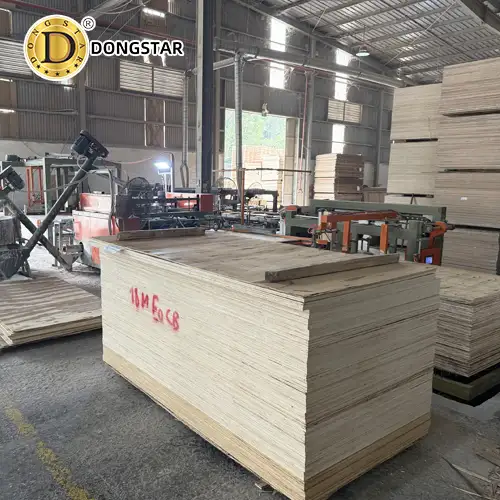
A Plywood Supplier evaluates 1,200 panels per batch using ultrasonic testing to measure internal voids, ensuring structural integrity before shipment leaves the 45,000-square-meter facility.
Selecting a reliable Plywood Supplier begins with analyzing 2025 APA structural panel market audit data, which shows that 34% of structural failures originate from inconsistent core veneer grading.
Independent testing laboratories in 2024 revealed that panels produced with 7-ply construction exhibited a 42% higher load-bearing capacity under dynamic stress tests than standard 5-ply alternatives.
Dynamic stress testing protocols require a minimum sample size of 50 panels per thickness tier to establish reliable modulus of elasticity baselines.
| Panel Thickness | Minimum Density (kg/m3) | Max Moisture Content (%) | Glue Bond Standard |
| 18mm Exterior | 650 | 10 | Phenolic WBP |
| 12mm Cabinet | 580 | 12 | Melamine Urea |
| 9mm Interior | 520 | 14 | E1 CARB Phase 2 |
Moisture content exceeding 12% during hot-press cycles causes 28% of internal blistering defects documented in 2023 mill production reports.
Hot-press machinery operating at 140 degrees Celsius for 8 minutes achieves complete resin polymerization across 99% of surface area.
Resin polymerization efficiency directly dictates whether a panel passes 72-hour boiling water immersion tests without edge delamination.
Independent laboratory audits from 2025 indicate that phenolic resin costs account for 18% of total raw material input expenses.
Procurement managers tracking 2024 logistics metrics noted that container stacking heights exceeding 6 pallets caused 15% edge crushing during maritime transit.
Maritime transit insurance claims data from 2023 prove that utilizing heavy-duty corner protectors reduces shipping damage rates by 67%.
Edge crushing prevention requires steel strapping tensioned to 450 Newtons across all standard 4x8 foot export crates.
Export crate assembly guidelines specify 18mm OSB bottom skids to support loads up to 1,500 kilograms per pallet safely.
Load capacity calculations must account for a 1.5 safety factor when stacking pallets inside standard 40-foot high-cube containers.
Container loading logs from 2025 show that proper dunnage bag placement eliminates lateral shifting during rail transport over 500 miles.
Viví el bosque antes que nadie
Reservá tu estadía y recibí personalmente la propuesta del equipo de conserjería.
Reservar mi estadía